
Key Takeaways
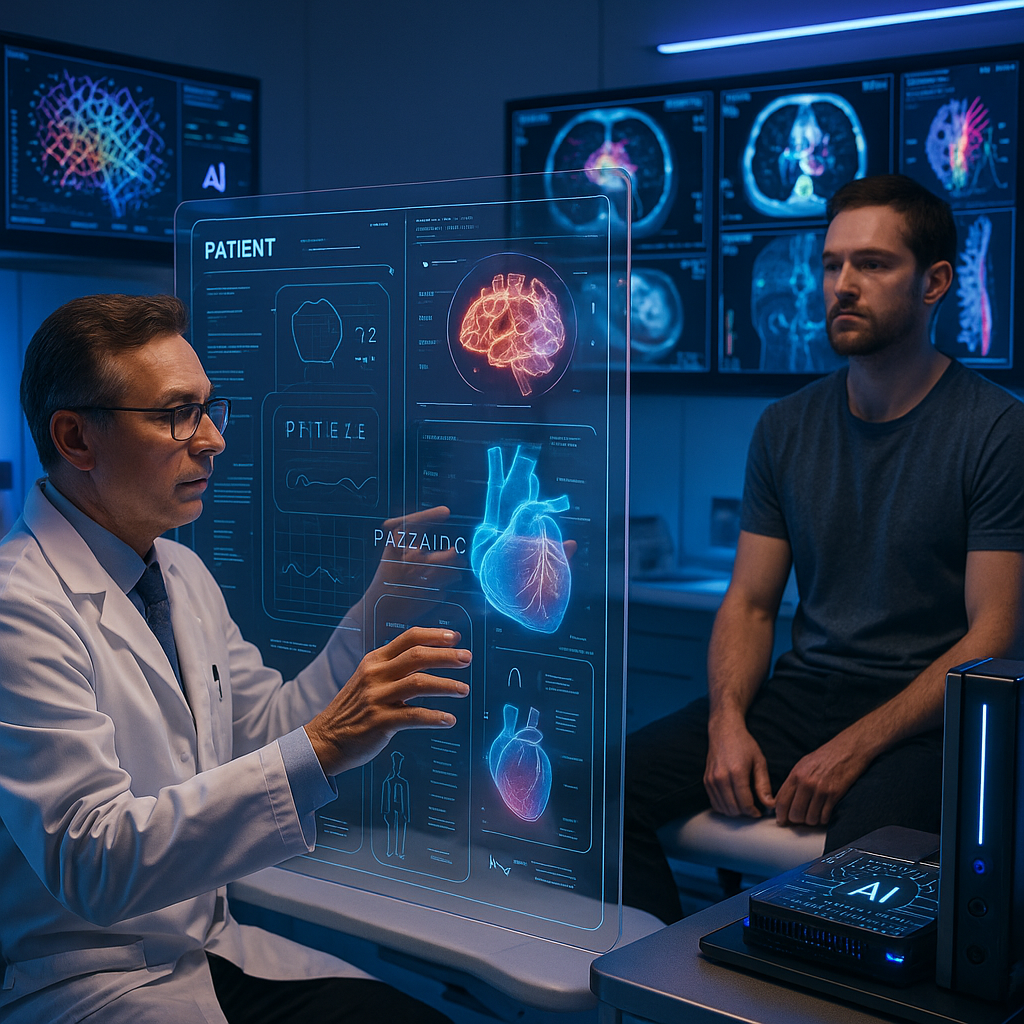
- Top story: The American Medical Association has unveiled a national AI center, with 66% of physicians now using AI tools. This marks a significant cultural turning point in medicine.
- Higher Education: OpenAI has established landmark partnerships with colleges to redesign learning around advanced language models.
- Youth & AI: An increasing number of children are forming emotional bonds with AI chatbots, raising important questions about psychological development.
- AI Regulation: The FCC has indicated potential action to override state-level AI laws in response to a Trump-era executive order.
- AI society impact: Each headline highlights how artificial intelligence is reshaping our understanding of community, autonomy, and responsibility.
Introduction
On 23 December 2025, the American Medical Association announced the launch of a national AI center, reflecting a pivotal moment as two-thirds of physicians now use artificial intelligence in daily practice. This press review examines how AI is redefining healthcare, higher education, governance, and the nature of human connection.
Top Story
AMA Launches AI Center as Physicians Embrace Artificial Intelligence
The American Medical Association (AMA) has unveiled a national center dedicated to artificial intelligence, in response to the rapid adoption of AI tools by 66% of practicing physicians. This move signifies medicine’s ongoing transformation and signals increased integration of AI into clinical workflows.
The new AI center will focus on research, training, and the ethical use of machine intelligence in the health sector. AMA officials stated that the center is designed to support both patient safety and professional education as technology advances.
Health policy analysts note that this development marks an important milestone for medical culture. The majority of physicians now depend on AI to assist with diagnostics, treatment recommendations, and administrative tasks. Medical leaders have described this shift as a fundamental change in how care is delivered and how roles are defined within the healthcare system.
Stay Sharp. Stay Ahead.
Join our Telegram Channel for exclusive content, real insights,
engage with us and other members and get access to
insider updates, early news and top insights.
 Join the Channel
In this shifting landscape, there is a broader debate concerning the ethical implications of AI systems within healthcare and other fields. For instance, understanding the nuanced differences between traditional medical roles and emerging AI-driven workflows echoes ongoing discourse about concepts like the Moravec paradox, which explores how AI transforms established expertise and roles in professional domains.
Also Today
Higher Education: OpenAI Partners with Colleges to Transform Learning
OpenAI has finalized multiple partnerships with higher education institutions to integrate advanced language models into core curricula. These programs aim to reimagine how students learn, emphasizing collaboration with AI-driven technologies.
University administrators stated that these initiatives seek to equip students for a workplace where AI is a constant partner. Academic leaders predict this will reshape the skills required for future graduates, placing new emphasis on effective interaction with intelligent systems.
Amid this educational transformation, the development of AI-enhanced personal knowledge management tools is aiding students and educators in navigating new learning environments, enabling more personalized and adaptive learning experiences.
Youth and AI: Children Turn to AI Companions
Recent studies report a growing trend of children engaging with AI chatbots as emotional companions. Psychologists express concern and curiosity regarding this phenomenon, noting the psychological and developmental questions it raises.
Experts urge further examination into how these relationships might affect socialization and emotional resilience. Calls for updated parental guidance and educational strategies have emerged in light of increased AI interaction within youth populations.
This evolving dynamic between children and machines reflects larger questions about the role of technology in identity. Articles such as Generative Identity: How Mirror AI Shapes Digital Selfhood explore how AI not only mirrors but also potentially reshapes the psychological development and self-concept of younger generations.
Governance: FCC Considers Federal Override of State AI Laws
The Federal Communications Commission (FCC) has signaled openness to preempting state-level AI regulations, in response to directives established under a Trump-era executive order. The agency’s statement reflects ongoing debates about balancing innovation incentives against ethical oversight.
Legal scholars view the FCC’s move as part of a broader discussion about the role of federal versus state authority in regulating technology sectors. Policy analysts predict that the ongoing debate will set important precedents for future AI governance.
For a more comprehensive understanding of these regulatory shifts, readers may consult analysis on frameworks like the EU AI Act, which dissect complex compliance requirements and anticipate the evolution of AI governance worldwide.
Markets in Brief
AI continues to drive notable developments across the business and regulatory landscape. Major healthcare and technology firms are rolling out pilot programs, while investors watch for regulatory signals that will guide future sector growth.
What to Watch
- International AI Safety Conference in Singapore scheduled for 15–17 January 2026, where researchers will present new methods for evaluating multi-agent system safety.
- Congressional hearings on “AI and the Future of Work” beginning 20 January 2026, focusing on regulatory approaches to AI’s impact on labor markets.
- World Economic Forum Annual Meeting in Davos from 26–29 January 2026, with a dedicated track on “AI Governance in a Multipolar World.”
- FDA public comment period on expanded AI medical device regulations closes 12 February 2026. Final rules are expected later in the year.
Conclusion
The rising adoption of multi-agent AI in cognitive work and healthcare reflects a deepening AI society impact. New standards and educational models are emerging alongside regulatory adjustments. Together, these trends challenge long-standing professional norms and ethical frameworks, while offering tools to address inequality and workforce changes. What to watch: major upcoming conferences, congressional deliberations, and new regulatory benchmarks will shape AI’s evolving societal role.



Leave a Reply