
Key Takeaways
-
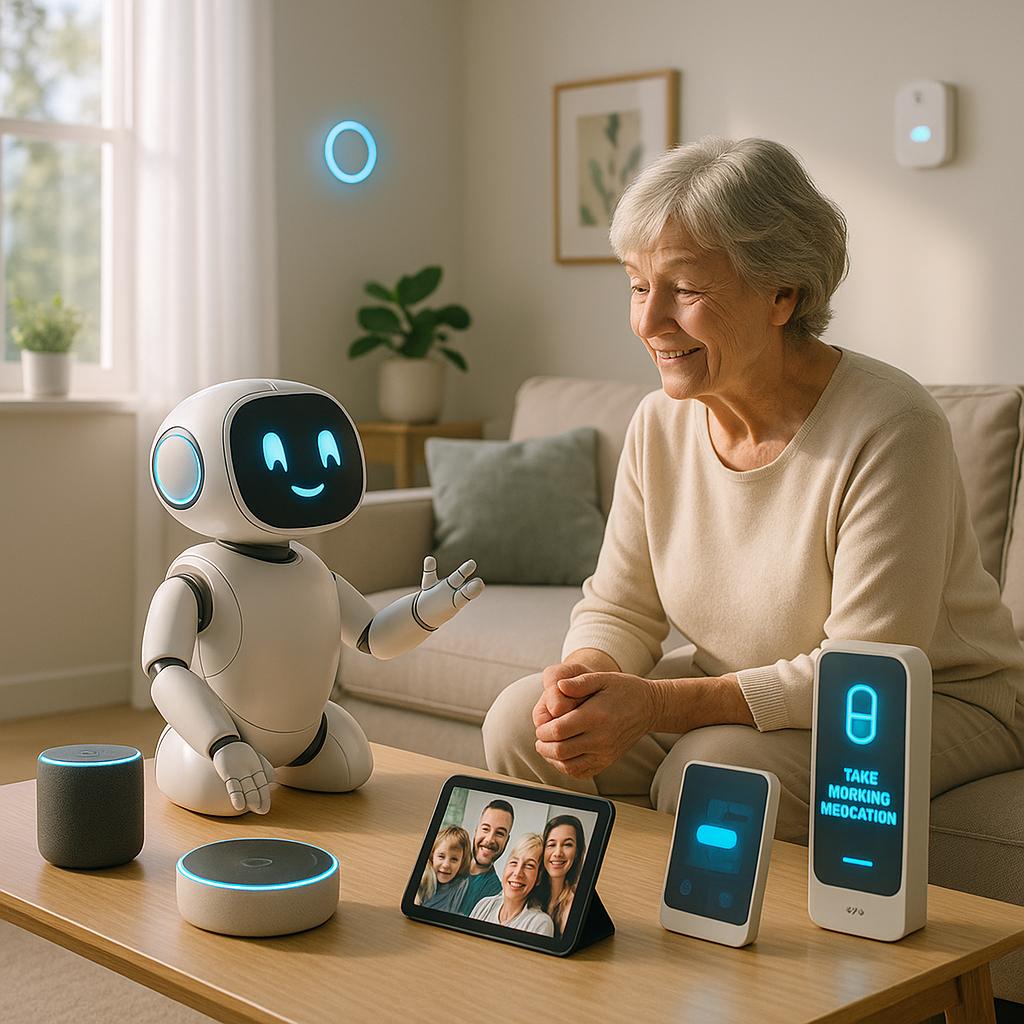
The convergence of senior-focused artificial intelligence and assistive technology is quietly redefining what it means to age with dignity, independence, and meaningful connection. As innovation accelerates, tools once limited to ensuring physical safety are evolving into intuitive, emotionally intelligent systems, acting as vigilant supporters, personalized helpers, and even social companions for older adults. Here are the essential insights into how these transformative advancements empower independent living while addressing the complex human side of aging.
-
AI moves beyond safety, fostering companionship and connection: Modern senior AI assistants are far more than silent guardians. Through tailored interactions and engaging conversation, they combat social isolation, nurture emotional well-being, and provide connection that traditional technology has often overlooked.
-
Smart monitoring offers discreet peace of mind: Advanced AI-powered sensors and health trackers enable fall detection, medical adherence, and comprehensive environmental monitoring. They optimize safety while respecting autonomy and privacy within the home.
-
Assistive tech preserves autonomy in everyday life: From voice-activated appliances to adaptive mobility tools, today’s assistive technologies empower seniors to manage daily routines independently, enhance confidence, and extend the possibilities for aging at home.
-
Ethical design upholds dignity and consent: Next-generation AI solutions are built with transparent data handling at their core, balancing peace of mind for families with seniors’ rights to privacy and self-determination.
-
Personalized experiences tailor care to the individual: By learning each senior’s habits, preferences, and routines, AI delivers meaningful prompts—from medication reminders to social invitations. This replaces generic care with nuanced, individualized support.
-
Integrated ecosystems build networks of care: Seamless communication between AI platforms, family members, and medical professionals supports collaborative and coordinated care. This transforms senior support into a community-driven experience.
-
Proactive risk detection supports prevention: Using predictive analytics, AI identifies falls and health risks before they escalate, granting seniors and their caregivers critical time to intervene. This ensures greater peace of mind.
-
Accessible design bridges the digital divide: Natural, user-friendly interfaces such as voice controls and simplified devices make technology accessible for even the least tech-savvy elders, ensuring everyone can benefit from these advances.
Senior-focused AI and assistive technologies are not merely tools; they extend the care, companionship, and freedom that underpin a fulfilling life. By diving into these core technologies, their emotional resonance, and their expanding possibilities, it becomes clear: Intelligent systems are becoming invaluable partners in empowering aging at home, supporting both seniors and the families who cherish them.
Introduction
Aging in place no longer means settling for solitude or compromising autonomy. The rise of senior-focused AI and assistive technologies is turning homes into dynamic partners: quietly attentive, ready for conversation, and prepared to step in without ever overstepping boundaries.
This innovative wave reaches well beyond emergency alerts. Elder AI companions now provide personalized check-ins and genuine conversation, while unobtrusive health trackers deliver continuous peace of mind. They strike a careful balance between vigilance and privacy. With thoughtful interface design and robust ethical safeguards, these systems grant seniors the power to live on their own terms, strengthening both independence and the essential bonds of human connection.
Together, let us explore how senior AI and assistive technology are transforming the experience of aging, making every day an act of dignity, confidence, and community.
Stay Sharp. Stay Ahead.
Join our Telegram Channel for exclusive content, real insights,
engage with us and other members and get access to
insider updates, early news and top insights.
 Join the Channel
The Evolution of Senior-Focused AI Solutions
The landscape of assistive technology for older adults has experienced a profound transformation. Traditional devices, once limited to emergency buttons or basic alerts, have given way to comprehensive, AI-driven ecosystems purpose-built for the needs of aging populations. This shift marks a move from reactive crisis management to proactive wellness support and genuine companionship.
Early-stage assistive devices functioned almost exclusively in emergencies, offering little support outside of such critical moments. Today, a diverse array of AI-powered solutions (ranging from ambient sensors and wearables to voice-controlled interfaces) work together to create seamless, individualized care. These systems learn each individual’s preferences and daily rhythms, granting seniors personalized support while always upholding their dignity and independence.
The most groundbreaking leap comes from artificial intelligence itself. Where once there were passive devices, now there are intelligent companions capable of learning, adapting, and even anticipating emerging needs. State-of-the-art algorithms detect slight behavioral changes, such as shifts in sleep or activity patterns, that may signal developing health concerns long before they escalate.
This evolution is not just incremental. It has reimagined aging at home, offering a third path beyond the traditional choice between risky independence and institutional oversight. Seniors now enjoy both freedom and comprehensive, adaptable support. These are systems that grow, evolve, and provide security on their terms.
Core AI Technologies Enhancing Senior Independence
Voice-Activated Smart Home Integration
Voice-activated technology now forms the backbone of AI-enabled living for seniors. Platforms like Amazon Alexa, Google Home, and dedicated senior-centric solutions provide easy-to-use, hands-free control over an entire smart home ecosystem. No longer hindered by small buttons or confusing menus, older adults command their environment through natural speech: adjusting lights, climate, entertainment, and even staying connected with loved ones through voice-activated calling.
This is more than convenience; it’s accessibility redefined. For those facing mobility limitations or visual impairments, voice control restores agency, empowering seniors to manage daily life with confidence. These platforms adapt to unique speech patterns, including those altered by conditions such as stroke or Parkinson’s, ensuring everyone can be heard.
As technology matures, these voice assistants gain depth. They now offer medication reminders, event scheduling, cognitive games, and even facilitate video visits with family or clinicians. When fully integrated with smart home devices, they create a cohesive ecosystem that allows seniors to navigate life (and complex care routines) simply by speaking.
Intelligent Monitoring Systems
AI-enhanced monitoring brings new dimensions of safety and autonomy to aging in place. Unlike the passive security cameras of the past, modern systems proactively interpret activity using motion sensing, pressure detection, radar, and even ambient environmental monitoring. They learn each household’s rhythms—when someone typically wakes, how often they use specific rooms, and other behavioral constants.
Machine learning enables these tools to notice subtle departures from baseline routines, helping distinguish harmless variations from early warning signs, such as decreased activity or irregular sleep patterns. This proactive approach lets families and professionals intervene with support before challenges turn into emergencies.
Privacy is paramount. Many systems use non-visual sensors, such as thermal imaging or radar, to monitor presence and movement without collecting identifiable images. Sensor fusion (combining data from diverse sources) enables even more nuanced observation, providing effective oversight while respecting the dignity of home life.
These smart platforms are also moving into the realm of prediction. By detecting gradual shifts in gait, posture, or daily habits, AI can assess fall risk or flag potential health issues before an incident, giving families and caregivers the opportunity for preventative action.
Intelligent Companionship Solutions
Perhaps no innovation is as compelling as the rise of AI-powered companions: robotic and virtual entities crafted to meet both practical and emotional needs. Devices like ElliQ, Joy for All robotic pets, or PARO seal robots, as well as advanced digital assistants, are specifically engineered for engagement and social enrichment.
Unlike typical consumer voice assistants, these companions actively initiate conversation, suggest appropriate activities, and tailor interactions around the senior’s interests or emotional state. Some employ reminiscence therapy, using personal photos or shared stories to spark memory and foster meaningful dialogue.
These systems are not just entertaining. Studies reveal that consistent interaction with AI companions reduces loneliness and depressive symptoms, providing judgment-free, fatigue-resistant social interaction. Some companions offer cognitive games, daily conversation, or gentle check-ins, reinforcing both emotional well-being and mental sharpness.
For families, these solutions offer critical peace of mind. Discreet updates about general well-being can be shared without compromising privacy, maintaining transparency and connection while upholding the elder’s independence.
Predictive Health Monitoring
AI-driven health monitoring is revolutionizing prevention in senior care. Beyond traditional emergency pendants, today’s systems collect streams of bio-data—from heart rate variability and sleep cycles to activity metrics and even subtle changes in walking patterns. Machine learning processes this information to recognize early indicators of potential issues like urinary tract infections, heart failure, or increased fall risk.
Stay Sharp. Stay Ahead.
Join our Telegram Channel for exclusive content, real insights,
engage with us and other members and get access to
insider updates, early news and top insights.
Join the Channel
Wearables track vital statistics seamlessly, providing actionable insights long before symptoms surface. Passive devices, such as smart mattresses or bathroom sensors, collect essential data without requiring seniors to adapt to new habits or interfaces.
Integration with telehealth is closing gaps in care. When a risk is detected (such as a significant drop in activity or deviation from medication routine) the system can trigger an automatic check-in from a health provider or generate real-time reports for the broader care team.
Beyond the home setting, predictive analytics extend to chronic disease management for conditions like diabetes or COPD, and even support for older adults returning from hospital stays. This helps ensure recovery stays on track with minimal disruption.
Practical Applications in Daily Living
Medication Management and Health Routines
Complex medication regimens are made safer and simpler through AI-powered medication management systems. Advanced pill dispensers track not just schedules but actual adherence, sending reminders, verifying dosage through voice or image recognition, and alerting caregivers when help is needed.
Where simple reminders once sufficed, now AI systems personalize timing based on a senior’s real daily routine, adjusting reminders to maximize response and reduce confusion. Context-aware prompts might suggest taking certain medications with food or hydrating after exercise based on detected habits.
For those managing chronic conditions, intelligent systems are expanding into hydration tracking (with smart bottles), customized fitness coaching, and sleep hygiene suggestions, all tuned to the individual’s health data and lifestyle.
Automatic refills and digital pharmacy coordination remove another barrier, allowing seniors and caregivers to focus on well-being rather than logistics. Reports sent directly to clinicians foster more meaningful, data-driven conversations during appointments. This reduces the risk of adverse medication events.
Safety and Emergency Response Enhancement
Emergencies require more than just a button press. Today’s AI safety networks weave motion sensors, pressure pads, acoustic analysis, and context-aware systems throughout the home to detect falls, unusual inactivity, or even environmental threats like gas leaks or extreme temperatures.
By learning each senior’s movement patterns and routines, these systems distinguish between genuine emergencies and harmless deviations, reducing false alarms while ensuring a rapid response when it matters. Advanced fall detection, for instance, can differentiate between accidental trips and deliberate movements, or prompt the senior with a voice check-in before escalating an alert.
Home safety is now multidimensional. Smart stoves may automatically shut off if left unattended, and door sensors with facial recognition balance the prevention of wandering (for those with cognitive difficulties) with the need for normal daily freedom.
When an incident occurs, AI systems deliver rich contextual information. Location, health stats from wearables, and relevant medical history are provided to responders, yielding more effective assistance.
Cognitive Support and Memory Assistance
AI is making a profound difference in cognitive support. Smart calendars and reminder applications handle more than just appointments; they integrate with daily conversation, providing subtle prompts to hydrate, eat, socialize, or follow routines without condescension.
Personalized brain-training games adjust to current cognitive abilities and progress, supporting memory retention and mental acuity. This is especially helpful for those experiencing mild cognitive impairments or early dementia.
Innovations like facial-recognition-enabled wearables or smart displays offer contextual assistance. They identify visitors, guide video calls, or alert to important dates and events, all reducing anxiety and promoting confidence in social interactions.
These advances extend beyond the home. In retirement communities or assisted living, AI-powered cognitive and memory tools help group activities run smoothly, enabling staff to tailor engagement and create opportunities for meaningful connection.
Sector-Spanning Applications
While the evolution of AI-powered senior care has found some of its earliest applications in the home and healthcare spaces, its implications ripple across diverse industries. In finance, AI-driven cognitive aids help seniors manage banking and safeguard against fraud, using pattern recognition to alert caregivers or clients when atypical activity is detected. Educational technology adapts learning materials and digital literacy programs for older adults, making continual learning accessible and engaging. Retail and e-commerce platforms enable older shoppers to receive personalized product recommendations and seamless support. Environmental science applications use AI-informed monitoring to optimize building environments for elder comfort and safety, ensuring sustainable, age-friendly spaces.
Legal sectors are also responding, with AI tools supporting estate management and contract monitoring for seniors, while ethical frameworks ensure transparency and prevent exploitation. As these technologies scale, their integration within transportation, urban planning, and community-based social programs promises a future where aging citizens participate fully in every aspect of society.
Conclusion
The lightning-fast evolution of senior-focused AI and assistive technologies has transformed aging in place from a compromise to a celebration of autonomy, community, and well-being. By seamlessly blending intelligent monitoring, intuitive voice-activated platforms, predictive health analytics, and emotionally attuned companionship, these technologies advance far beyond crisis response. They anticipate needs, honor daily habits, and forge lasting human connection in an increasingly digital world.
This tectonic shift is not merely technological; it reflects our deepest values, elevating elderhood as a stage of life to be honored and enriched through both intelligence and compassion. By giving older adults genuine agency (over their environment, health, and social connections) while preserving privacy and choice, we are collectively redefining what it means to age with both independence and belonging.
Looking forward, the opportunity and imperative is clear. How will we continue leveraging these extraordinary “alien minds” to weave a social and technological fabric that makes aging not only safe and sustainable, but truly meaningful? The path to the future of elder care will be shaped by those willing to build adaptable, thoughtful systems that nurture not only longer lives, but richer, more connected ones. Will you use these advancements to simply adapt, or to anticipate change and create a new vision for aging itself? The next era of care belongs to those bold enough to turn possibility into reality—for seniors, for families, and for the communities we’re all woven into.


Leave a Reply